The EU-REPAIR project, implemented from February 2025 to May 2027, aims to enable a transnational exchange of skills and knowledge in the fields of energy efficiency, renewable energy, and the circular economy, with a focus on valuable built environments. The project is tailored to the specific needs of partner countries, including Estonia, Germany, Lithuania, North Macedonia, and Serbia.
At its core, the project will develop a comprehensive toolkit designed to promote the understanding and application of low-impact repair techniques, efficient maintenance cycles, digital technologies, and the use of local and renewable resources. By strengthening the capacities of professionals—such as craftsmen, builders, heritage experts, students, and educators—the project supports the creation of high-quality training programmes, research initiatives, and outreach activities. It also encourages collaboration and networking among organizations across the participating regions.
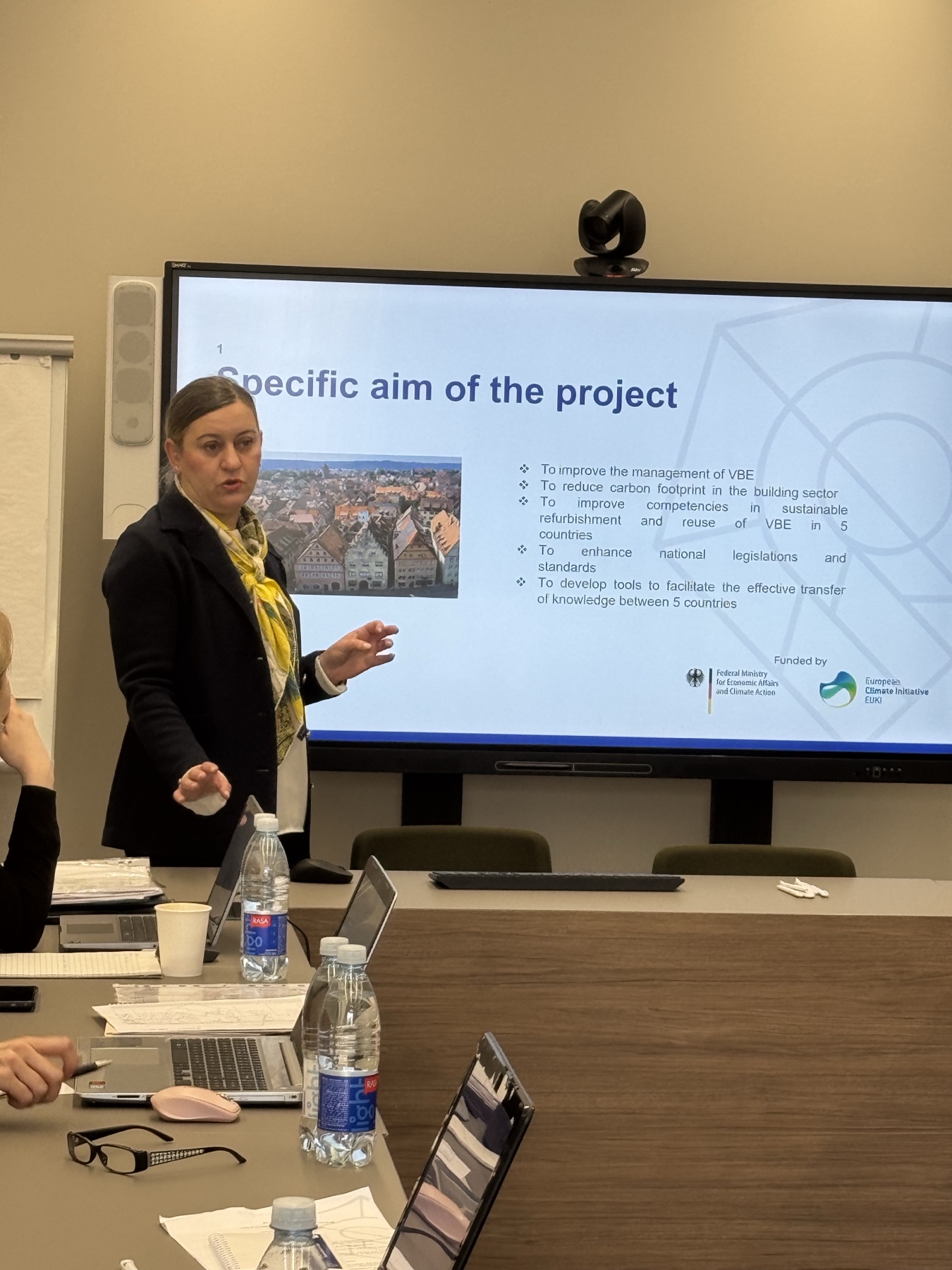
EU-REPAIR further seeks to contribute to the improvement of national legislation, strategic frameworks, and technical standards. Through the development of practical guidelines, the project will facilitate the effective transfer and application of knowledge in real-world contexts.
A key outcome of the project is the establishment of an online learning platform, which will expand access to project-developed courses and tools across all target regions. This platform will support long-term capacity building and contribute to the transition towards carbon-neutral valuable built environments, including historic buildings, by 2050.
In addition, the project will organize workshops, seminars, multiplier events, and hackathons, bringing together diverse stakeholders to exchange knowledge, share experiences, and co-create innovative solutions. A strong network of stakeholders from the construction sector, heritage field, and wider built environment will be established and actively engaged, addressing the specific challenges of each participating country.
Ultimately, the EU-REPAIR project aims to transform repair practices and approaches, fostering more sustainable, resilient, and energy-efficient valuable built environments across Europe.